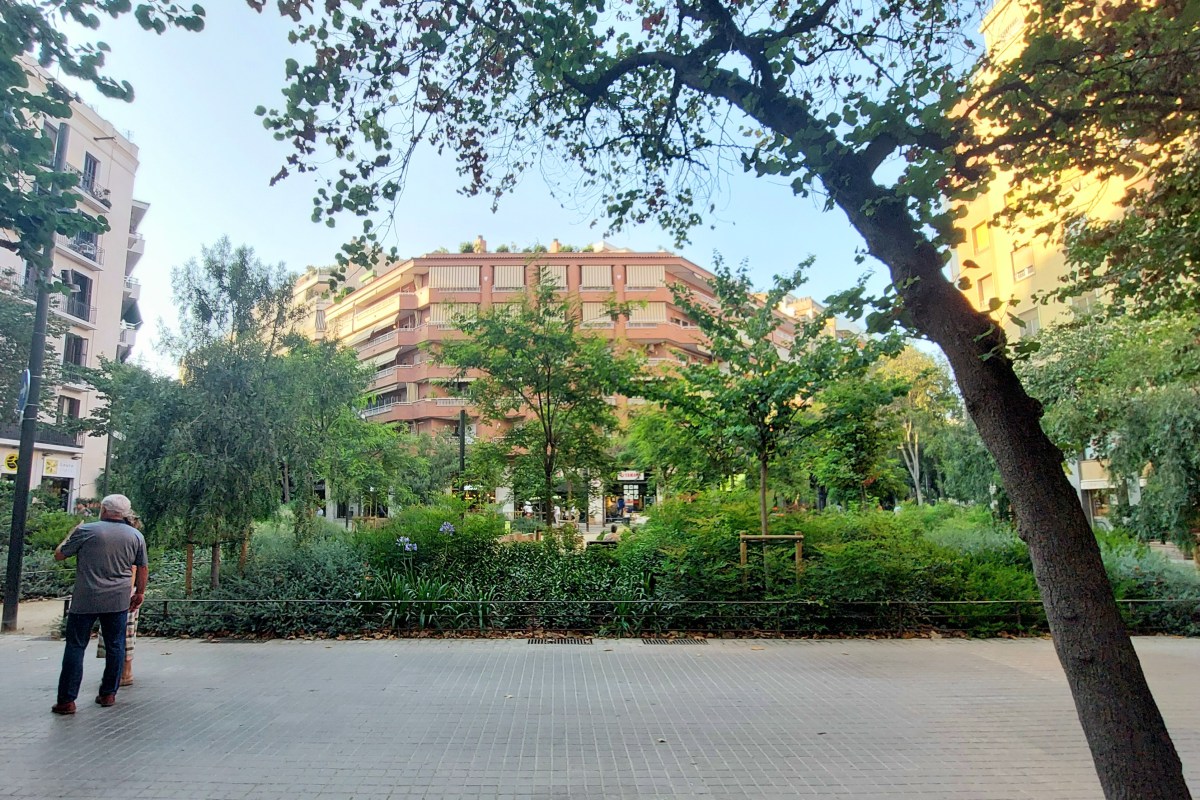
I participated in a conference organized in Barcelona from July 15-17. The full title of the conference was ’Urban Futures – Cultural Pasts: Sustainable Cities, Cultures & Crafts. It was organized by AMPS (Architecture, Media, Politics, Society), that organizes several multidisciplinary conferences in different parts of the world every year. I was excited to go on the trip, even though my research colleagues and almost everyone else had settled for the holidays. I arrived in Barcelona through a ”small” detour, because I first visited Cádiz in the opposite side of Spain for a few days’ vacation. A thousand-kilometer train journey had its own charm.
A small setback came right on the first day of the conference. I had booked a hotel near the polytechnic university and, well rested, I walked to the venue in the morning – or so I thought. I started to study the campus map and found out that the conference is in a different unit about ten kilometers away. Well, to the nearest metro station and to the right place about an hour later. When I told to some others about my embarrassing mistake, almost everyone(!) said they had done the same. At this point, perhaps the communication could have been better. Otherwise, the organization’s communication was a bit confusing at first, but this could be due to the different conference practices that I am used to. As the event approached, I received a lot of information and all my inquiries were answered.
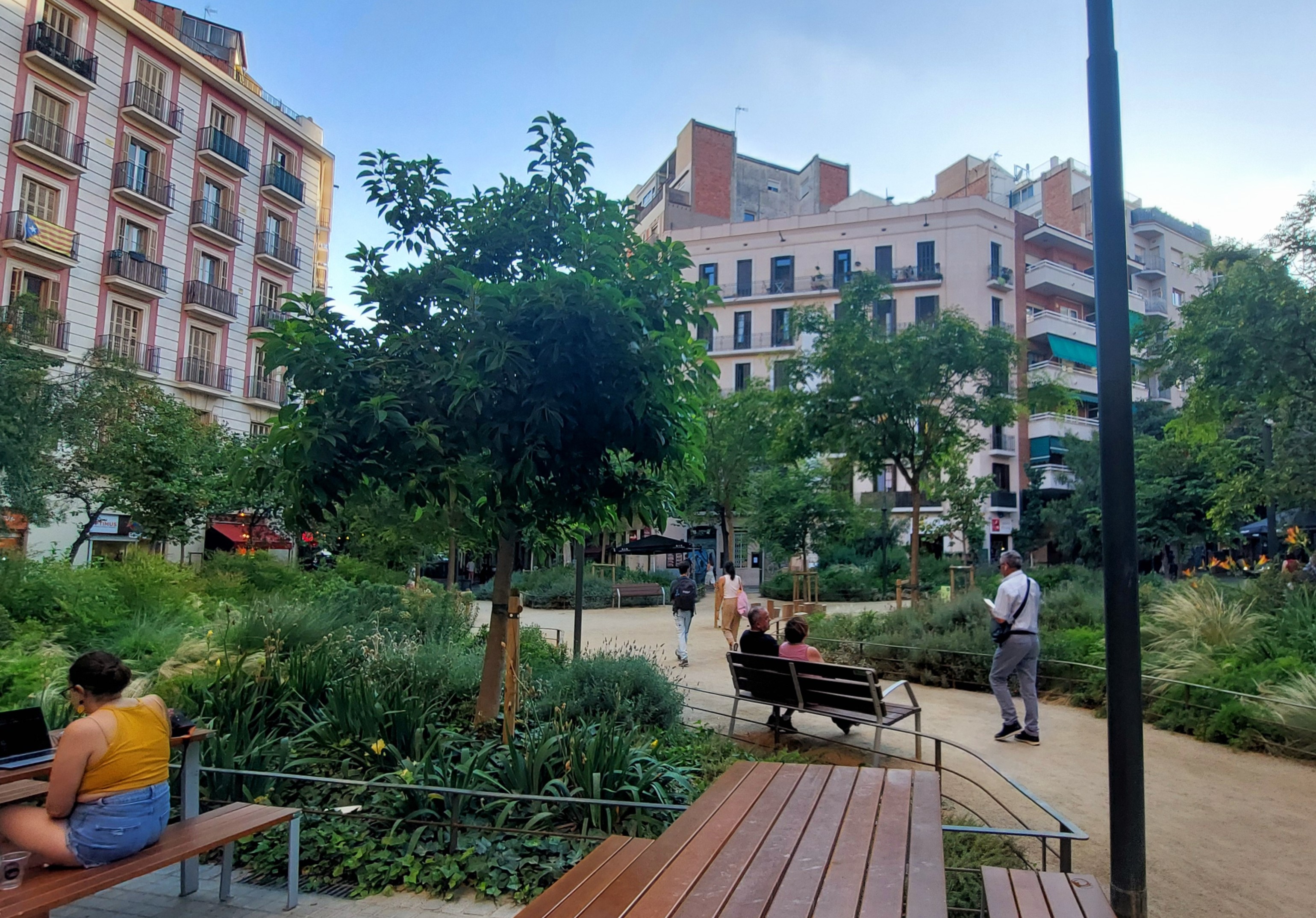
Monday felt a bit quiet, as several speakers had dropped out without informing about it. However, the keynote speech was interesting. Javier Matilla Ayala emphasized at the beginning of his presentation that offering positive future visions is a key to developement! Positivity is concretized, for example, in affordable housing, with places for people to meet and in blocks that combine housing and other activities. Increasing greenery and public transport were also on the list, and all this is what Barcelona’s superblocks present. I had read a little about them before, but now the concept opened up properly. The basic idea is simple: let’s combine nine blocks into one bigger so that car traffic only runs on the outer sides of the superblock. In this way, the inner streets remain avenues for light traffic and open spaces for people. This is applied in existing urban structure where car traffic was previously allowed on all streets. The change achieves many benefits: space for vegetation in the city, space for various activities, comfortable lounge areas, less emissions, etc. More about superblocks
Tuesday was full of program, and I followed presentations about participatory projects and their challenges, for example. The art-based work group I chose next was refreshingly different. Among other things, I heard about the poetic archive of Porto (free translation), which collects the graphic tradition of the city https://arquivopoeticoportuense.pt/.
In the afternoon, something new again: in the session focusing on soundscapes, there were first a couple of presentations about the cities of popular music and finally a wonderful discovery: Moira Smee’s presentation on the soundscape recordings of Tony Schwartz (1923-2008) in New York in the 1940s-70s https://tonyschwartz.org/.
(I am fascinated by the city soundscapes, and of course my own experimental project from 2017 came to mind, the Lähiön ääniä series. It visited six residential areas of Turku to listen to people and sounds and was aired on Radio Robin Hood. Here is the first episode and the rest can be found on Youtube as well.)
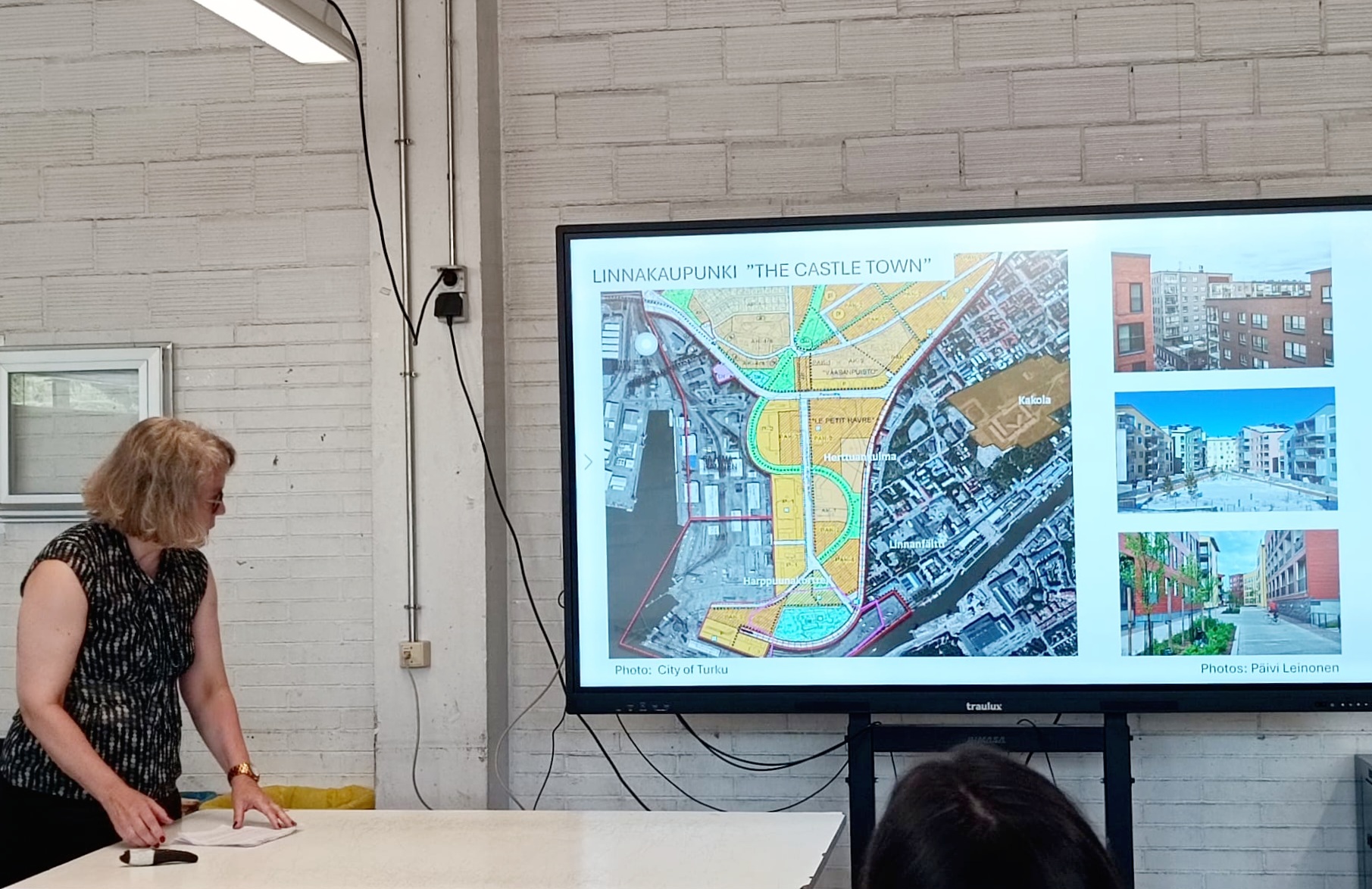
My turn to present was in the last session of the day. I was well prepared, so there was no major tension. In my presentation Sensory pasts, presents and futures in urban planning, I focused on one aspect of our research project in Linnakaupunki (link in Finnish) I looked at how residents experience the port’s surroundings and how the port and the sea are present in their everyday life. One finding is that for some, the maritime atmosphere is even the primary reason for living in the area. Funnily enough, the Slovenian Neza Cebron Lipovec, who I had already met through the webinar we organized in May, also appeared in the same group. Our urban ethnography methods are very similar, although Neza focuses more on cultural heritage.
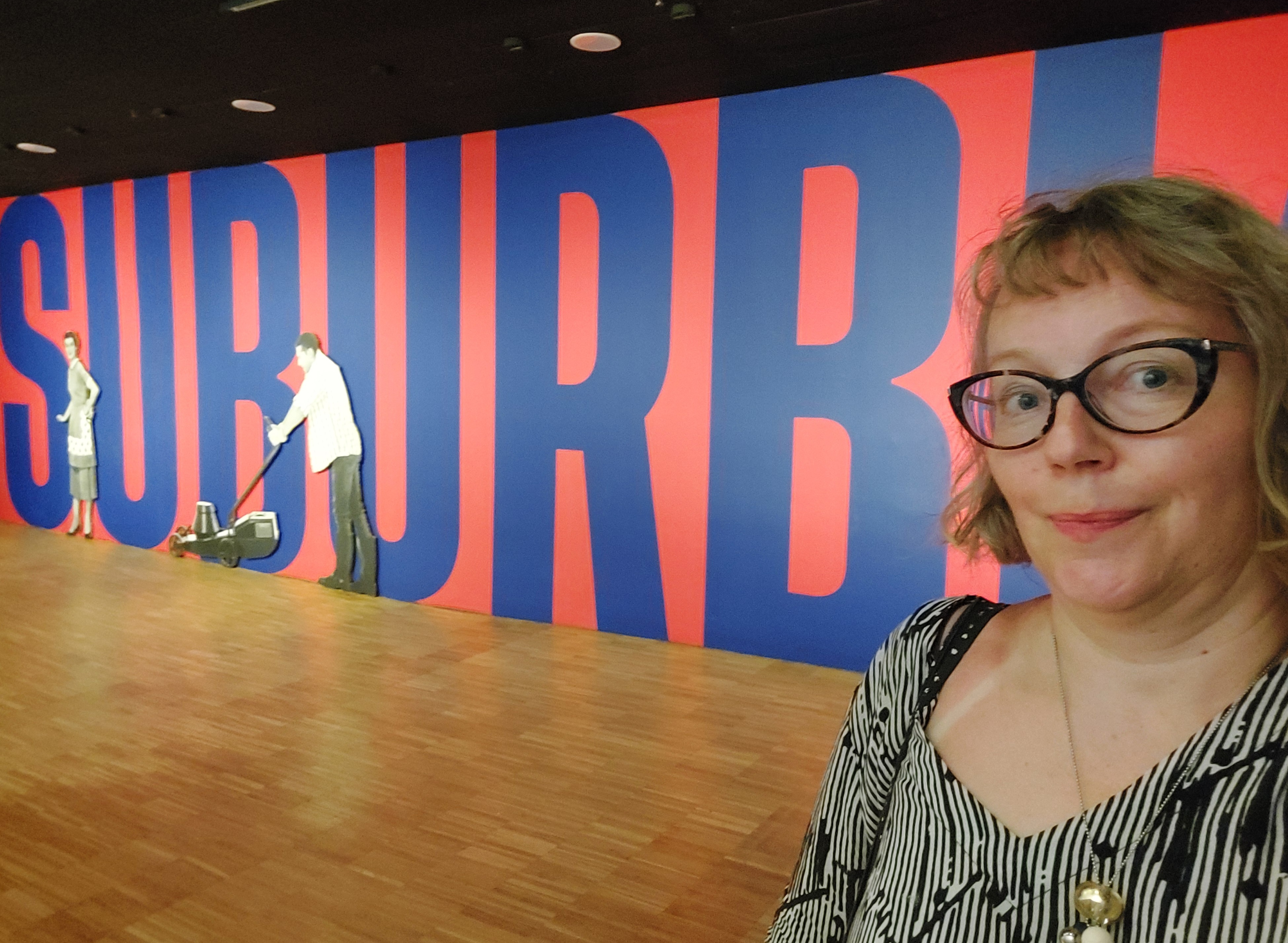
On the third day, I visited an exhibition that was part of the conference program, but it wasn’t organized until Thursday, when according to the original information, the event would already be over. (The communication…!) I, like many others, had already reserved Thursday for travelling home. So I headed to the city to see the Sagrada Familia and some Gaudis. The Suburbia exhibition, which explores the American suburbs from many different perspectives, was a great ending for my journey.
Thank you Barcelona!
Photos: Päivi Leinonen, if not mentioned
 Talotarinat